What is an rToken and how does it work?
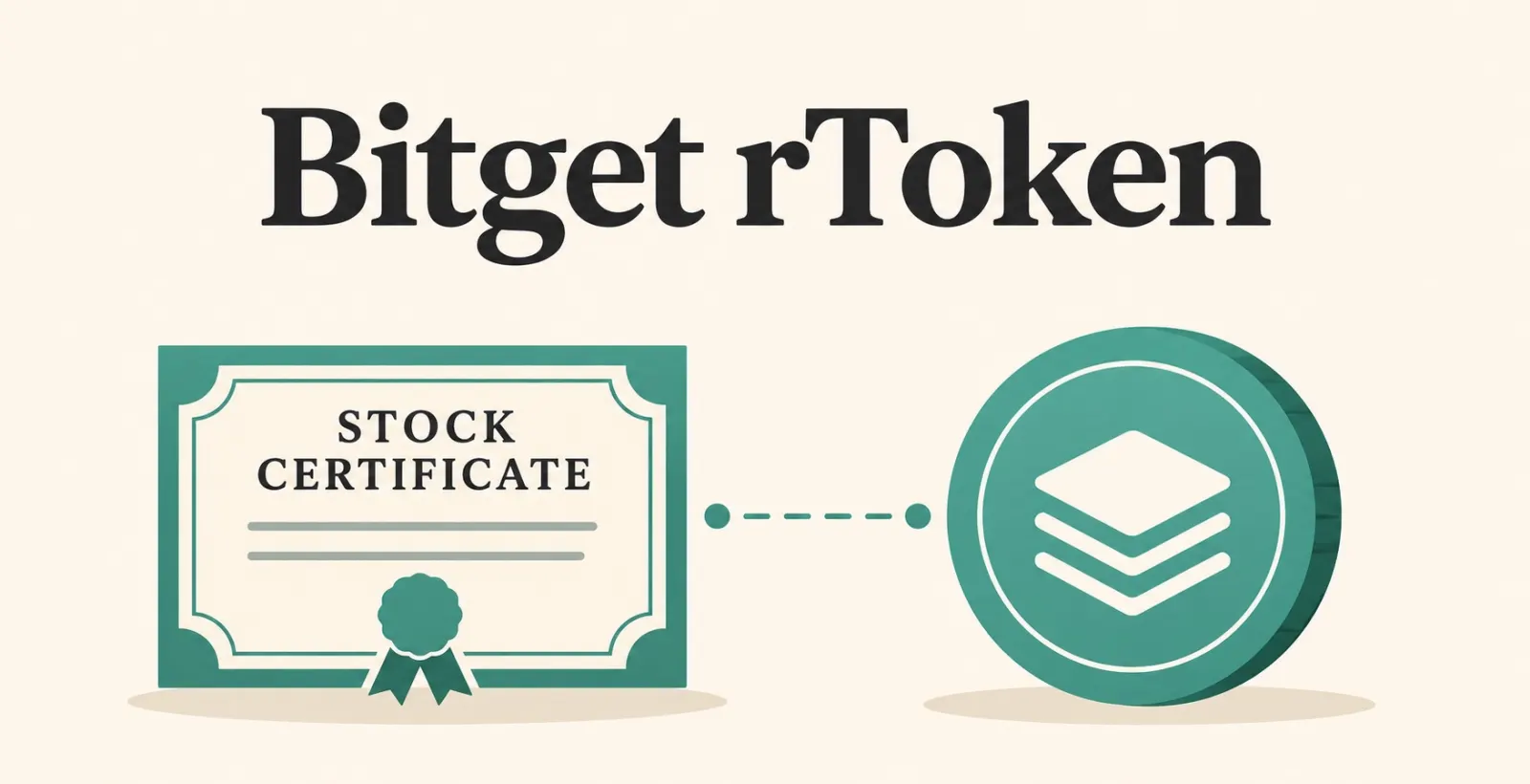
rTokens are blockchain-based assets issued by Reality Protocol. Their names generally add a lowercase “r” to the underlying ticker: for example, rAAPL refers to Apple and rNVDA to NVIDIA. Bitget provides the trading environment; Reality handles issuance and the underlying reserve infrastructure.
According to Bitget, each token is designed to correspond to the economic value of one share of the underlying stock or ETF, with securities held through brokerage and custody arrangements. Bitget names Alpaca Securities, a US broker-dealer, as the custodian and says The Network Firm publishes daily reserve attestations. This is a description of the product and its backing, not an independent guarantee. The available assets may change. See Bitget's stock spot trading FAQ.
The one-to-one design does not guarantee an identical market price at all times. Supply and demand, liquidity, spreads, trading hours, volatility and changes in USDT's value can affect the execution price. Issuer, custody, platform and technical risks remain.
rToken versus directly buying shares
| Topic | Bitget rToken | Shares through a traditional broker |
|---|---|---|
| Asset held | Token linked to a stock or ETF | Stock or ETF in a brokerage account |
| Shareholder rights | Generally no voting rights or direct shareholder registration | Rights and holding arrangements depend on the broker, account and applicable rules |
| Trading currency | Supported markets generally use USDT | Usually fiat currency, depending on the broker |
| Trading hours | Generally 24/5, with selected rTokens also 24/7; varies by asset and can change | Depend on the exchange and broker |
| Dividends | Eligible net cash distributions may be paid in USDT under product rules | Paid according to the issuer's dividend and the broker's rules |
| Additional risks | Issuer, custody, platform, blockchain and stablecoin risks | Broker, custody and market risks |
Bitget also offers other stock-related products with different rights and structures. Check that you are viewing an rToken market rather than relying on the word “stock” alone.
Main features
Trade with USDT. Eligible users can buy and sell supported rTokens in available USDT markets, subject to account and regional requirements.
Fractional trading. Bitget says fractional quantities are supported for eligible rTokens. Check the pair's current minimum order, precision and amount requirements.
Potentially longer trading hours. Some markets operate outside regular US trading hours, but schedules vary by asset and can change. Bitget describes a 24/5 schedule for rTokens and says selected rTokens also trade 24/7, including weekends and US market holidays. Prices may diverge from reference prices and spreads can widen when liquidity is thin or the underlying market is closed.
Possible dividends. When the underlying asset pays an eligible cash dividend, eligible holders may receive a net USDT distribution according to the rules. Bitget says recent cash distributions were credited after a 30% US withholding tax, and some stock dividends may be credited as additional rTokens. Not all securities pay dividends; eligibility, withholding, timing and tax treatment vary. See the Bitget rToken FAQ.
How to trade
Check that your location and account are eligible and complete any identity verification required by Bitget.
Find the relevant rToken in the stock or spot market, such as rAAPL, and confirm the pair and product details.
Prepare USDT and check the price, spread, trading hours and applicable fees.
Select a supported order type, enter the amount, review the order and submit it.
Check your position after execution; also consider liquidity and price when selling.
Menus, fees, order types and eligibility can change. A limit order may not execute; a market order can execute at a different price from the displayed quote.
Risks to consider
Price: The underlying security and the token can fall, and you may lose money.
Price divergence and liquidity: Token prices can differ from underlying reference prices; wide spreads or shallow markets may make execution difficult.
Issuer and custody: Users depend on issuance, reserves and custody arrangements; problems with the parties involved can affect assets.
Platform and technology: Trading systems, accounts, smart contracts and networks can fail or be attacked. Check supported deposits, withdrawals and networks for each asset.
Stablecoin: USDT's price and availability can change; USDT denomination does not eliminate currency or stablecoin risk.
Eligibility and rules: Bitget says rTokens are generally not offered in the United States or to US persons, and other location, identity and regulatory restrictions may apply. Fees, rights, dividend terms and supported products can change.
Leverage: Using an eligible rToken as margin or in a leveraged product can lead to margin calls or liquidation.
Frequently asked questions
Is an rToken a real share? It is a token linked to a stock or ETF, not direct registered ownership. Bitget says holders generally do not receive voting rights.
Will the price always match the stock? No. The product aims to track economic value, but supply, demand, trading hours, liquidity and USDT can cause deviations.
Will I always receive dividends? No. A distribution depends on an eligible underlying dividend and the holder meeting the rules; withholding and other conditions may affect the amount.
Who might consider rTokens? Someone who understands tokenization and its risks and wants exposure to selected stocks or ETFs within a crypto account. Those seeking direct ownership, voting rights or a conventional brokerage experience should compare the rights and terms of other products.
Conclusion
rTokens bring exposure to selected stocks and ETFs into a crypto trading environment, where eligible users can trade the tokens with USDT. Convenience comes with a distinct ownership structure and risks. Review the issuer's disclosures, reserves, prices, fees, trading hours, eligibility and current product terms before placing an order.
For informational purposes only; not investment advice. Product information and terms can change.
Sources
- Bitget stock spot trading FAQ (opens in a new tab)
- Bitget rToken FAQ (opens in a new tab)
- Bitget rToken beginner's guide (opens in a new tab)